
Property
Moving to Mallorca After Brexit: 10 Essential Things British Citizens Should Know in 2027
Thinking of exchanging Britain for a life in the Mediterranean? Discover the essential visa, residency, tax, healthcare and property considerations British citizens should understand before moving to Mallorca after Brexit.
For many British people, Mallorca represents the possibility of a different way of life. More time outdoors, a Mediterranean climate, beautiful landscapes, a welcoming international community and a lifestyle that can feel a world away from the pace of everyday life in the UK. However, since Brexit, moving to Spain is no longer quite as straightforward for British citizens as it once was. The freedom to travel to Mallorca for a holiday does not automatically give you the right to live, work or settle here permanently. There are immigration requirements to understand, financial considerations to prepare for and practical arrangements that are best organised before making the move. Whether you are considering retiring to the island, relocating with your family, working remotely or starting a new chapter professionally, preparation is essential. In this guide, I explore ten important things British citizens should know before moving to Mallorca in 2027, helping you understand the process and make your plans with greater confidence.

1. Understanding the 90-Day Rule After Brexit
One of the most important changes for British citizens following Brexit is the 90-day Schengen rule.
British passport holders can generally visit Spain and other Schengen countries without a visa for up to 90 days within any rolling 180-day period.
This allowance applies to tourism, visiting family and friends and certain other short-term activities. It does not provide permission to take up ordinary employment or establish permanent residence in Spain.
It is also important to understand that the 90 days are shared across the Schengen Area, rather than being available separately for each country. Time spent in France, Germany, Italy or another Schengen country counts towards the same allowance.
If you want to spend more than 90 days in Mallorca, you will generally need to qualify for the appropriate Spanish long-stay visa or residence authorisation.
This is particularly important for people who own a holiday home on the island. Purchasing a property does not automatically grant the right to live in Spain beyond the permitted visitor period.
Understanding this distinction before buying a property or making relocation plans can save considerable difficulty later.
2. Choosing the Right Spanish Visa
If you intend to live in Mallorca for more than 90 days, you will need to establish which residence route is appropriate for your personal and professional circumstances.
There are several possibilities, and the correct option depends on how you intend to support yourself and what you plan to do while living in Spain.
- The Non-Lucrative Visa
This route is generally intended for people who want to reside in Spain without carrying out professional or employment activities. It may be suitable for retirees or individuals with sufficient independent financial resources.
Applicants must demonstrate adequate financial means and meet the relevant health insurance and documentation requirements.
An important distinction is that the non-lucrative visa does not provide permission to work.
- The Digital Nomad Visa
Spain's international teleworking route may be suitable for qualifying professionals who work remotely for companies or clients based outside Spain.
It can also accommodate certain self-employed professionals, subject to specific conditions, including restrictions on the proportion of professional activity carried out for Spanish companies.
Applicants must meet the applicable professional experience or qualification requirements and demonstrate that their working arrangements satisfy the visa rules.
- The Work Visa
British citizens who intend to take up employment in Spain generally need the appropriate work and residence authorisation. The process often involves a Spanish employer obtaining the necessary authorisation before the applicant can proceed with the visa application.
- Student and Family Routes
Other residence routes may be available to people undertaking qualifying studies or joining eligible family members who already have the right to live in Spain.
Each route has its own eligibility criteria, documentation and application process.
The important point is not to assume that one visa suits everyone. Your income, employment arrangements, family circumstances and long-term plans should determine which route you investigate.

3. Residency, Your TIE and Registering Locally
Obtaining the appropriate visa or residence authorisation is only part of the process.
British citizens moving to Spain will generally need to obtain a foreigner's identity card, known as the TIE (Tarjeta de Identidad de Extranjero), where required by their residence authorisation.
The TIE is an important document confirming your legal residence status in Spain. Your visa or authorisation will indicate the relevant application procedure and deadline.
You should also familiarise yourself with the local administrative system.
One of the first steps after establishing your home is usually registering on the municipal population register, known as the padrón municipal, at the town hall corresponding to your address.
This registration helps establish where you live and may be needed when accessing local services and completing other administrative procedures.
Depending on your circumstances, you may also need to arrange:
- A Spanish foreigner identification number (NIE), where applicable.
- A Spanish social security number if you are working or self-employed.
- Registration with the relevant healthcare services.
- A Spanish bank account.
- Local tax and administrative registrations.
It is worth keeping copies of important documents, application receipts and official correspondence in one organised place.
Spanish administration can involve several different authorities, and having your paperwork prepared makes the process considerably easier.
4. Understanding Spanish Tax Residency
Tax is one of the areas that deserves particular attention before relocating.
Moving to Mallorca may change where you are considered tax resident, and this can affect how your income, investments, pensions and other financial interests are treated.
Under Spanish domestic tax rules, an individual may generally be considered tax resident if they spend more than 183 days in Spain during a calendar year. Other factors can also be relevant, including where the main centre or base of their economic activities or interests is located.
This means that simply counting the days you spend in Mallorca is not always enough to determine your tax position.
If you become Spanish tax resident, you may have Spanish reporting and tax obligations relating to your income. Your individual circumstances, sources of income and any applicable international tax arrangements will need to be considered.
Spain and the UK have a double taxation agreement designed to address situations where both countries may have taxing rights. However, this does not mean that every income stream is automatically exempt from tax in one country.
Before moving, it is sensible to speak with a qualified tax adviser familiar with both the UK and Spanish systems.
Understanding your tax position before changing your country of residence can help you plan properly and avoid unexpected complications.

5. Healthcare and Medical Insurance
Healthcare should be considered before making the move, particularly if you are relocating with children, have ongoing medical needs or are approaching retirement.
British citizens do not automatically retain access to the Spanish public healthcare system simply because they hold a UK passport or own a property in Mallorca.
Your entitlement will depend on your circumstances.
For example, people working or becoming self-employed in Spain and making the relevant social security contributions may be entitled to public healthcare. Some UK pensioners and other qualifying individuals may be eligible for an S1 form, which can provide access to healthcare funded by the UK.
Other residents may need to arrange qualifying private medical insurance, depending on their visa and residence route.
The Global Health Insurance Card (GHIC) is designed for medically necessary treatment during temporary visits. It should not be treated as a replacement for the healthcare arrangements required when moving permanently to Spain.
Mallorca has public hospitals, health centres and private medical facilities, including services used by its international community.
Before relocating, investigate the healthcare options available in the area where you intend to live and make sure your cover is appropriate for your circumstances.
6. Buying Property in Mallorca Does Not Give You Residency
Mallorca has long attracted British buyers looking for holiday homes, investment opportunities or a permanent Mediterranean residence.
However, one important point is often misunderstood: owning property in Spain does not automatically give a British citizen the right to live there permanently.
Property ownership and immigration status are two separate matters.
You can purchase a property in Mallorca while remaining a non-resident, subject to the applicable legal and financial requirements. However, if you intend to live on the island for more than the permitted visitor period, you must still qualify for the appropriate residence route.
Before purchasing, consider more than just the property itself.
Think about the location, access to services, year-round surroundings, maintenance requirements, community fees where applicable and the ongoing costs of ownership.
You should also understand the purchasing process, including independent legal advice, property due diligence, taxes and associated transaction costs.
Mallorca offers a wide variety of property styles, from traditional stone fincas and village houses to contemporary villas, apartments and coastal residences.
The right choice depends on how you intend to use the property and the lifestyle you want to create.
For anyone considering a permanent move, I would always encourage them to explore different parts of the island at different times of the year before deciding where to settle.

7. Preparing Your Finances and Understanding the Cost of Living
A successful relocation requires more than having enough money to purchase or rent a property.
It is important to build a realistic financial picture of everyday life in Mallorca.
Your budget should take into account:
Rent or mortgage payments.
Electricity, water and other household utilities.
Community fees, where applicable.
Groceries and everyday expenses.
Private healthcare or insurance, if required.
Transport, car ownership and fuel.
Schooling or childcare, if relevant.
Property maintenance and home insurance.
Tax, professional advice and administrative expenses.
Costs can vary significantly depending on where you live and the lifestyle you choose.
Living in Palma, in a coastal area in the southwest or in a quieter inland village can involve very different housing and transport expenses.
It is also sensible to maintain an emergency reserve for unexpected costs, particularly during the first year.
If you are moving from employment in the UK to retirement, remote work or self-employment in Spain, consider how your income arrangements will operate after the relocation.
A carefully prepared budget will help you make decisions based on your actual circumstances rather than the assumption that life in Mallorca will automatically be less expensive.
8. Choosing the Right Area of Mallorca
Finding the right home is not simply about choosing a beautiful property. It is about finding an area that complements your everyday life.
Mallorca has a remarkable variety of landscapes, communities and lifestyles, and each part of the island offers something different.
- The Southwest
Areas such as Santa Ponsa, Portals Nous, Bendinat, Costa d'en Blanes and Port Andratx are popular with international residents and offer a combination of coastal living, marinas, golf, restaurants and established residential communities.
- Palma
Palma offers a more urban lifestyle, with historic architecture, restaurants, cultural attractions, shopping, schools and convenient access to the airport.
- The Tramuntana Mountains
For those drawn to traditional villages, mountain scenery and a slower pace, places such as Deià, Valldemossa and Sóller offer a very different experience of Mallorca.
- The North and Northeast
Areas including Pollença, Alcúdia and Artà combine traditional villages, beautiful countryside and access to some of the island's most attractive beaches.
- The Southeast and Inland Mallorca
For people seeking a quieter atmosphere, traditional architecture and a stronger connection to rural Mallorca, the southeast and central countryside may be worth exploring.
The best location depends on your priorities: schools, commuting, access to the sea, healthcare, social life, privacy or simply the atmosphere you want to come home to.
I always encourage prospective residents to experience an area beyond the summer season. Mallorca is a year-round home for many people, and understanding what a location feels like in November or February can be just as important as seeing it in August.

9. Driving, Transport and Bringing Your Belongings
For many people relocating from the UK, practical arrangements around transport are easy to overlook.
Mallorca has public transport connections between Palma and several towns and villages, but having a car can make everyday life considerably more convenient, particularly if you choose to live outside the main urban areas.
British driving licence holders should also understand the rules that apply once they become resident.
According to current UK government guidance, a UK-issued driving licence can generally be used in Spain for up to six months after becoming resident. It must then be exchanged for a Spanish licence under the applicable arrangements.
If you plan to bring your own vehicle from the UK, do not assume you can simply continue using it indefinitely with its British registration.
Vehicle importation, registration, taxes, insurance and technical inspection requirements can apply. The correct procedure depends on the vehicle and your individual circumstances.
If you are bringing pets, there are also specific animal health and travel requirements. These can include microchipping, rabies vaccination and the appropriate animal health documentation.
For anyone travelling from Great Britain with a dog or cat, it is particularly important to check the latest official pet travel rules before booking transport.
Planning these details in advance can make the physical move considerably less stressful.
10. Preparing for the Lifestyle and the First Year in Mallorca
The practical side of relocating is important, but there is another part of moving that is just as significant: adjusting to a different way of life.
Mallorca is not simply a holiday destination. It is home to local families, established communities, international residents and people who have lived on the island for generations.
Although English is widely spoken in many international areas, learning Spanish is valuable and can make everyday life considerably easier. In Mallorca, Catalan and its local variety, Mallorquí, are also part of the island's cultural identity.
Building relationships, understanding local customs and becoming involved in your community can make a real difference to how quickly the island begins to feel like home.
It is also worth approaching the first year with realistic expectations.
There will be administrative appointments, documents to organise, new routines to establish and moments when things take longer than expected. Some aspects of daily life may feel different from what you are used to in Britain.
That is part of the experience of moving to another country.
My advice would be to give yourself time to settle, explore different areas, meet people and discover the island beyond the places you may have visited on holiday.
The most rewarding move is not necessarily the one where everything happens immediately. It is the one where you gradually create a life that feels right for you.
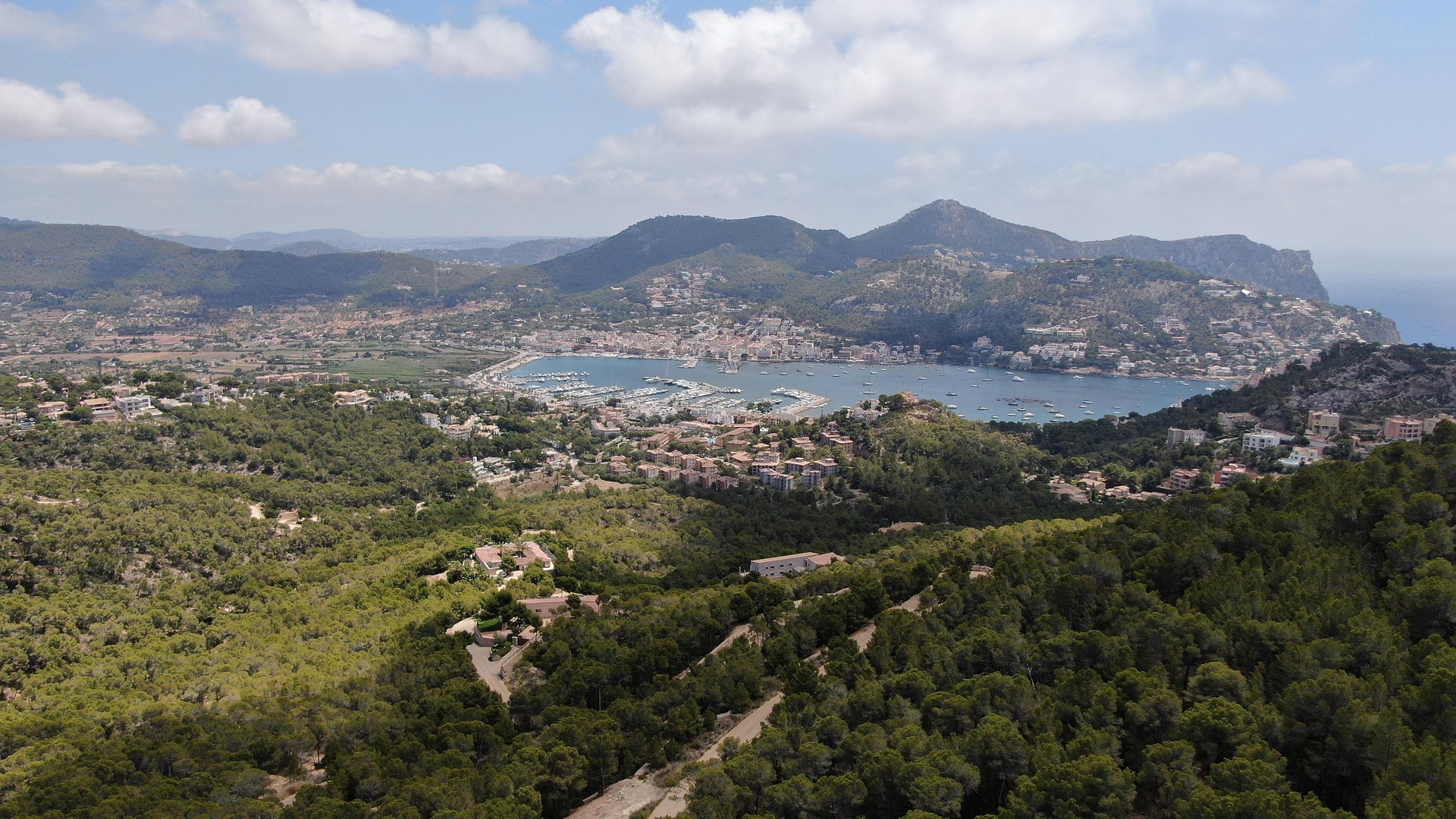
Making Your Move to Mallorca With Confidence
Moving to Mallorca after Brexit requires more preparation than it once did, but for those who plan carefully, it can still be the beginning of a wonderful new chapter.
The key is to understand the legal requirements, organise your finances, choose the right residence route and take time to find a home and location that genuinely suit your lifestyle.
A property purchase is only one part of a relocation. The wider experience the community, surroundings, practical arrangements and relationships you build is what ultimately makes a place feel like home.
Having lived in Mallorca all my life and worked across luxury real estate, yachting and private-client services, I understand how important it is to look beyond the property itself.
My approach is centred on personal attention, local knowledge and helping clients make informed decisions, whether they are considering buying a home, selling an existing property or exploring the possibility of relocating to the island.
If Mallorca is becoming more than a holiday destination in your plans, I would be delighted to hear about what you are looking for.
For a private, no-obligation conversation about buying or selling property in Mallorca, or to discuss your plans for the island, please contact:
info@elizabethsiles.com