
Lifestyle
Things to Do in Mallorca in 2027
From hidden coves and mountain trails to historic villages, private boat days, local markets and cultural discoveries, explore the experiences that make Mallorca special throughout the year
The island rewards slowness. What follows is less a list of attractions than a way of using the year. Mallorca is an island of remarkable contrasts. Within a single day, you can swim in clear Mediterranean water, walk through centuries-old mountain villages, explore Palma's historic streets and finish with dinner overlooking a marina. Beyond the summer coastline, there are walking routes, traditional markets, vineyards, cultural festivals and landscapes that change beautifully with the seasons. The best way to experience Mallorca is not to rush from one attraction to another. It is to understand its different regions, discover the places that locals return to and leave enough time to enjoy the unexpected. Whether you are visiting for a week, returning for another season or considering making Mallorca your home, there is always something new to discover.
On the water
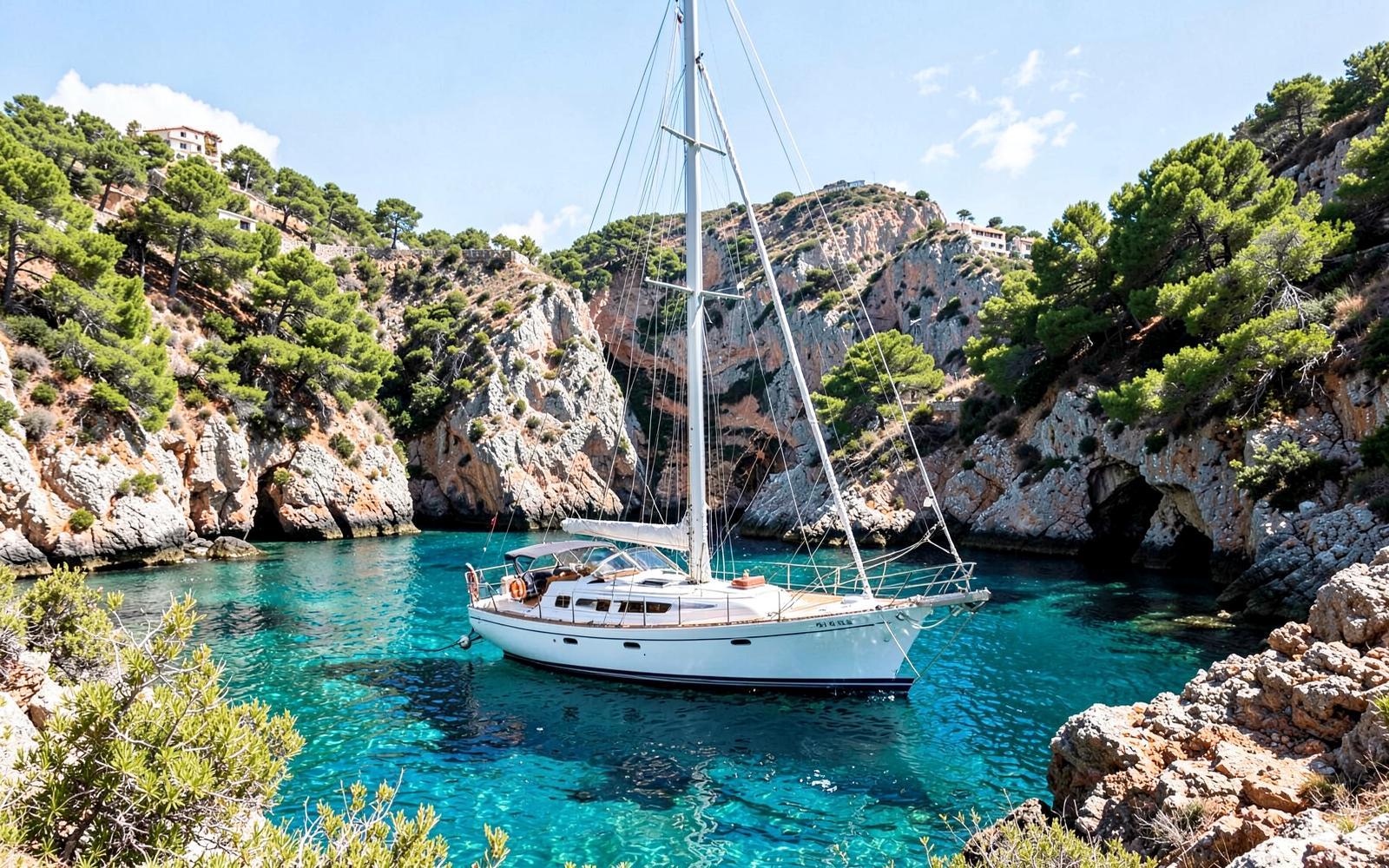
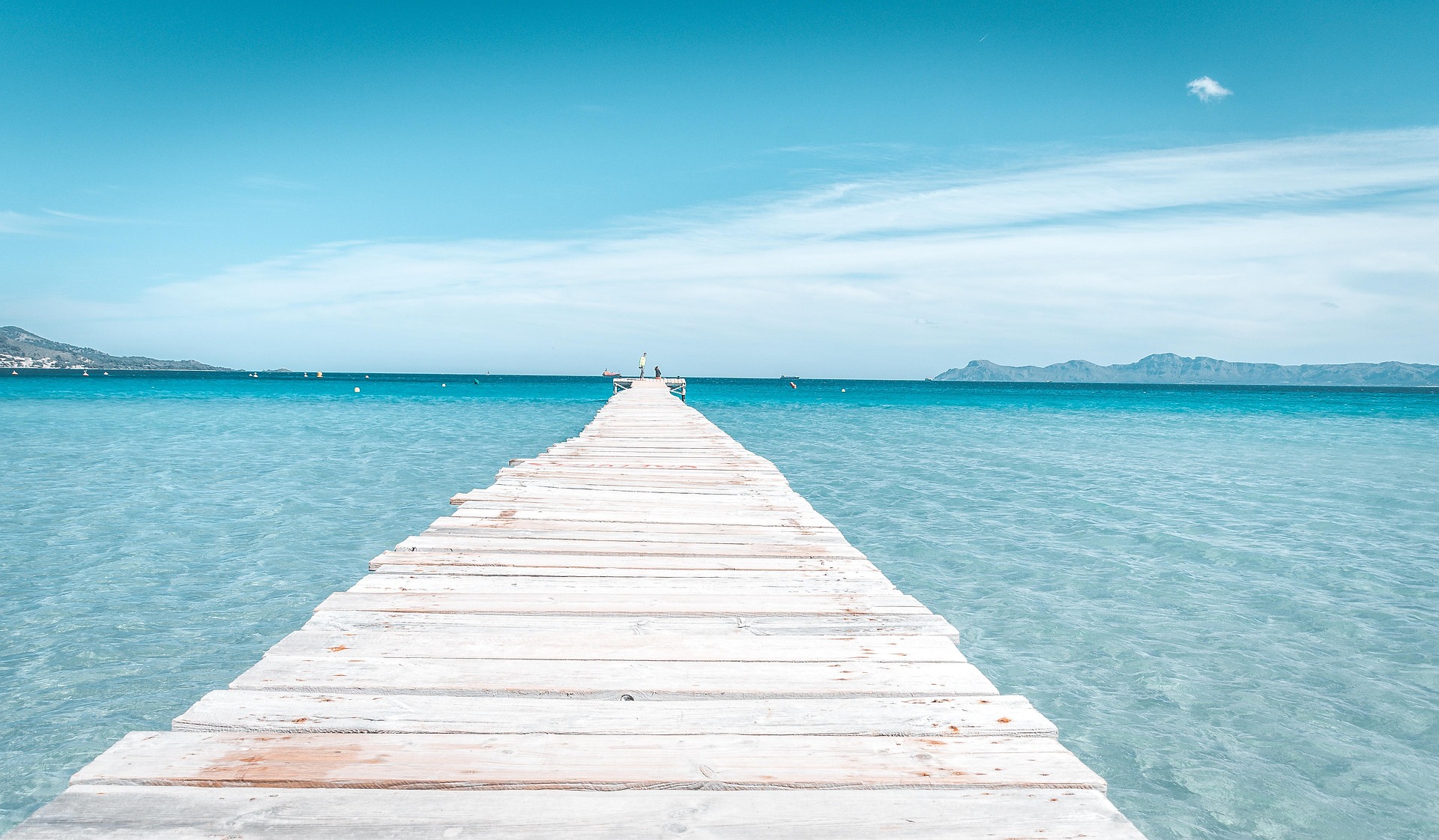
The coastline is best understood from a boat. A day spent moving between the calas of the southwest, swimming where the water is clearest and eating late, is one of the most memorable ways to spend a summer's day. Charters run from Port d'Andratx, Puerto Portals, Port Adriano and Palma.
The southwest is an especially beautiful starting point. From Port d'Andratx, you can explore the coastline towards Sant Elm, Cala en Basset and the protected waters around Sa Dragonera. Further east, the coves around Cala Llamp, Camp de Mar and Peguera offer different perspectives of the rugged coastline.
A private charter allows you to choose the pace of the day. Some people prefer a full day exploring several swimming stops, while others want a leisurely lunch at anchor, time for snorkelling and a return to the marina in the late afternoon. Depending on the vessel, you can arrange a skipper, catering, paddleboards, snorkelling equipment and other water activities.
- Places worth discovering from the water
- - Sa Dragonera: The small uninhabited island off Sant Elm is a protected natural park, known for its dramatic silhouette, clear waters, walking paths and birdlife. It is accessible by private boat or authorised excursion boats from Sant Elm. If you go ashore, allow time to explore the island rather than simply sailing past it.
- - Cala en Basset: A beautiful cove near Sant Elm, particularly striking when approached from the sea. Its natural surroundings make it a lovely stop for a swim in suitable conditions.
- - Cala Llamp: Close to Port d'Andratx, this rocky coastal setting is known for its deep blue water and dramatic cliffs.
- - Cala Fornells: A picturesque coastal area near Peguera, with attractive swimming spots and a sheltered feel.
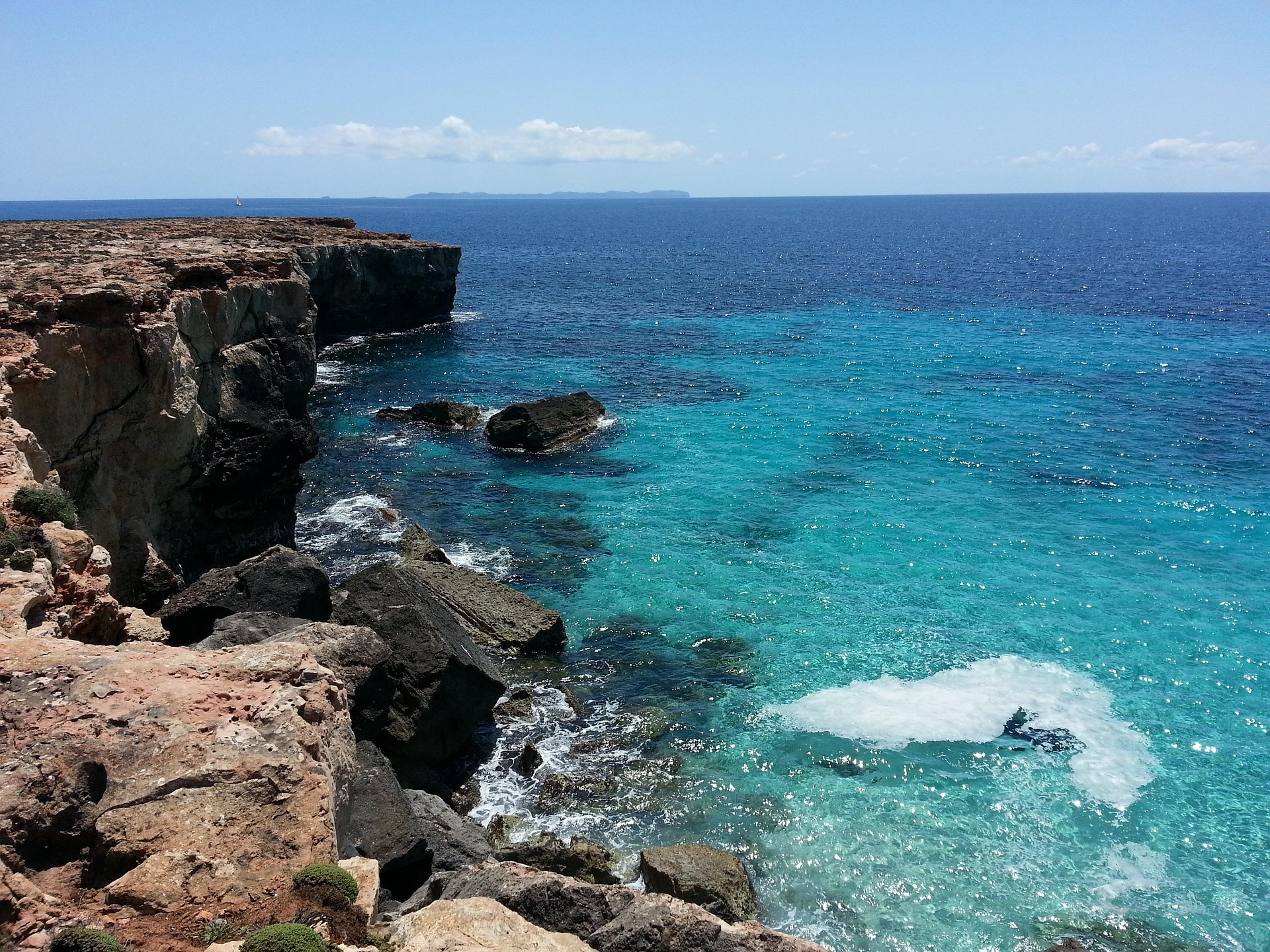
- - Cala Mondragó: Within the Mondragó Natural Park in the southeast, this area combines turquoise water, pine woodland and protected coastal scenery.
- - Es Trenc: One of Mallorca's best-known stretches of natural beach, with pale sand and strikingly clear water. It is best enjoyed outside the busiest summer hours.
- - Formentor: The peninsula in the north offers spectacular coastal scenery, secluded swimming areas and a memorable approach by sea.
- Two island excursions worth planning
- Sa Dragonera and the Cabrera Archipelago offer something quite different from an ordinary beach day.
- Sa Dragonera is particularly convenient from the southwest. The island can only be reached by sea, and visitors should stop at the information centre at Cala Lledó and follow the park's instructions. Spring and autumn are particularly pleasant for walking because the routes have little shade.
- Cabrera, south of Mallorca, is a protected national park and an extraordinary destination for nature lovers. Excursion boats operate from Colònia de Sant Jordi, while private vessels need the appropriate navigation authorisation. Its clear water makes it particularly appealing for snorkelling, but remember that it is a protected environment with specific access and anchoring rules.
- For those who prefer to stay closer to shore, kayaking, paddleboarding, sailing, scuba diving and guided snorkelling excursions are available in different parts of the island. Conditions and operators vary by season, so choose an activity suited to the weather and your experience
The Serra de Tramuntana
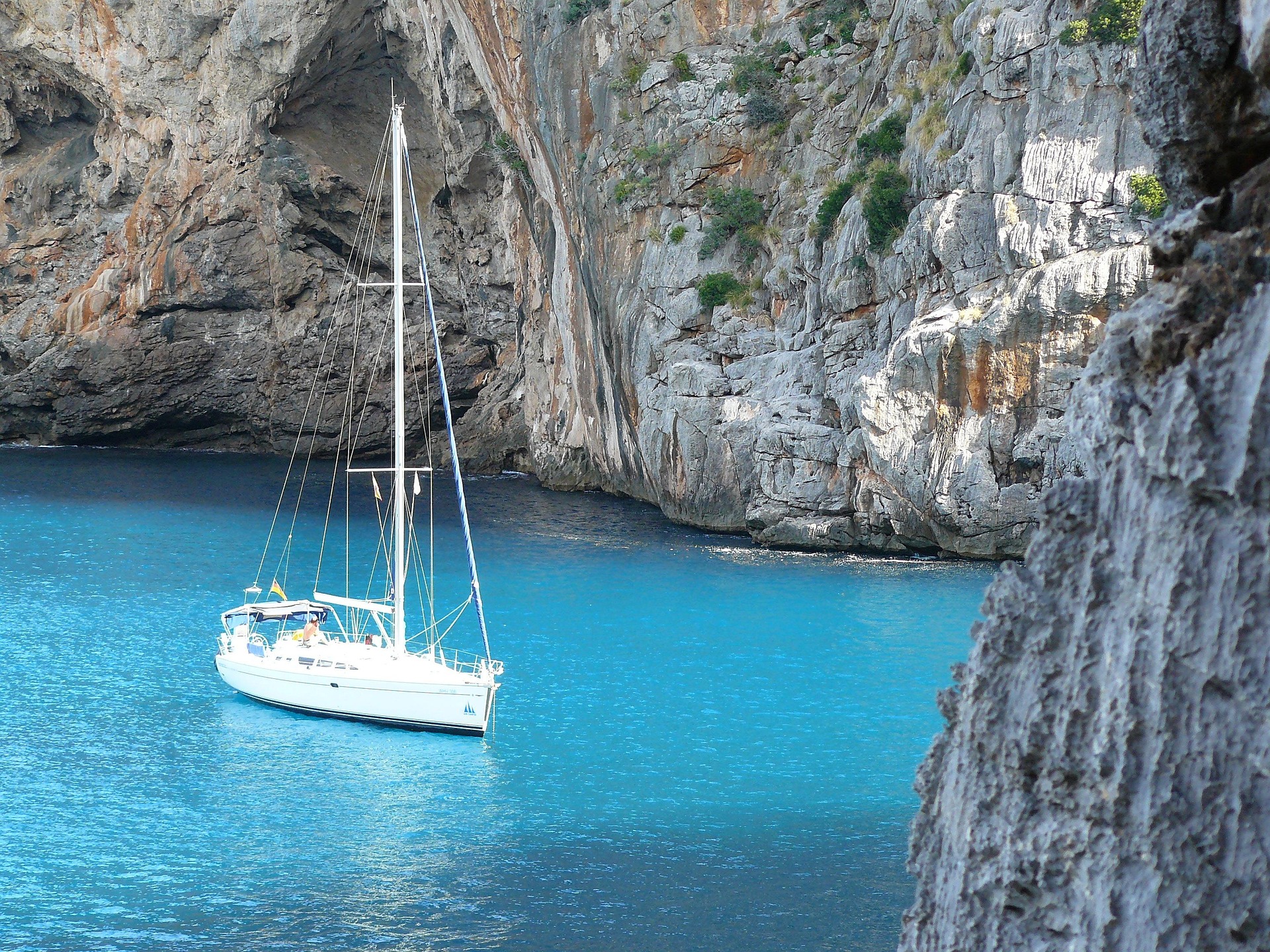
Deià, Sóller, Fornalutx and Valldemossa are worth returning to in different seasons — almond blossom in late winter, olive harvest in autumn. The walking here is exceptional, from gentle valley paths to the long stone routes across the range.
The Serra de Tramuntana is one of Mallorca's defining landscapes and a UNESCO World Heritage cultural landscape. Its dry-stone terraces, historic paths, olive groves, mountain villages and traditional estates tell the story of how generations have lived and worked in the mountains.
The best way to explore it is to allow time. Rather than trying to visit every village in one day, choose a route, stop for lunch and enjoy the scenery.
- The villages
- - Deià: One of the island's most distinctive villages, set between the mountains and the sea. Wander its narrow stone streets, visit the church and cemetery above the village, explore its galleries and continue down towards Cala Deià for a swim when conditions allow.
- - Valldemossa: Famous for its stone architecture, gardens and the historic Royal Charterhouse, where Frédéric Chopin and George Sand spent the winter of 1838–39. Allow time to explore beyond the main streets and enjoy a traditional coca de patata with coffee.
- - Sóller: A lively town surrounded by citrus groves, with a beautiful central square, historic buildings and a charming railway connection to Palma. Continue to Port de Sóller for the harbour, beach and waterfront restaurants.
- - Fornalutx: Often regarded as one of Mallorca's most beautiful villages, with traditional stone houses, narrow lanes and flower-filled streets. It is a wonderful place for a relaxed morning or a stop on a mountain drive.
- - Banyalbufar: Known for its dramatic terraced hillsides descending towards the sea. The landscape is particularly striking from the coastal road, and the village offers a quieter alternative to some of the more visited mountain destinations.
- - Estellencs: A small mountain village with traditional architecture, a peaceful atmosphere and beautiful views towards the coast.
- - Galilea: A tiny village in the Calvià mountains, particularly appealing for its rural character, open views and quiet roads.
- Walking and hiking
- For anyone who enjoys the outdoors, the Tramuntana offers some of the island's most rewarding experiences.
- The GR221 Ruta de Pedra en Sec, or Dry Stone Route, follows historic mountain paths through the range. The main route connects Port d'Andratx with Port de Pollença, passing through Sant Elm, Estellencs, Esporles, Deià, Sóller and other mountain locations. It is a wonderful way to understand the island's landscape beyond the coastal resorts.
- You do not need to walk the entire route to appreciate it. Individual stages and shorter sections can be enjoyed as day walks, depending on your fitness and experience.
- Some particularly interesting options include:
- - Port d'Andratx to Sant Elm: The opening section of the GR221, offering a beautiful introduction to the southwest and views towards Sa Dragonera.
- - Sant Elm and La Trapa: A rewarding walk towards the historic Trappist monastery ruins, with magnificent views across the sea and towards Sa Dragonera. The terrain can be demanding in places.
- - Deià to Sóller: A classic mountain walk through olive groves and traditional landscapes. Plan transport carefully if you are not walking both ways.
- - Sóller to Fornalutx: A lovely way to explore the valley, with paths through citrus groves and traditional countryside.
- - Puig de Maria, Pollença: A climb to the hilltop sanctuary overlooking Pollença and the surrounding countryside. The views make the effort worthwhile.
- - Castell d'Alaró: A historic hilltop castle reached by a steep walk, rewarded with far-reaching views across the island.
- For more experienced walkers, the full GR221 can be completed in stages, with overnight stays in mountain refuges such as Tossals Verds, Muleta and Son Amer, subject to availability and reservations.
- The mountains should be treated with respect. Some routes are exposed, steep or poorly shaded, and weather conditions can change quickly. Check current trail access, carry sufficient water and choose routes appropriate to your ability.
- A scenic drive
- If walking is not your preference, the mountain roads are an experience in themselves. The route from Andratx towards Estellencs, Banyalbufar and Valldemossa is particularly beautiful, with dramatic coastal viewpoints and traditional villages along the way.
- Another memorable drive takes you from Sóller towards the Cúber and Gorg Blau reservoirs, before continuing towards Sa Calobra. The descent to Sa Calobra is famous for its extraordinary hairpin bends and engineering. At the bottom, the Torrent de Pareis offers one of the island's most impressive natural settings.
- Do not underestimate these roads: allow extra time, drive carefully and avoid treating a scenic route as a race.
Palma
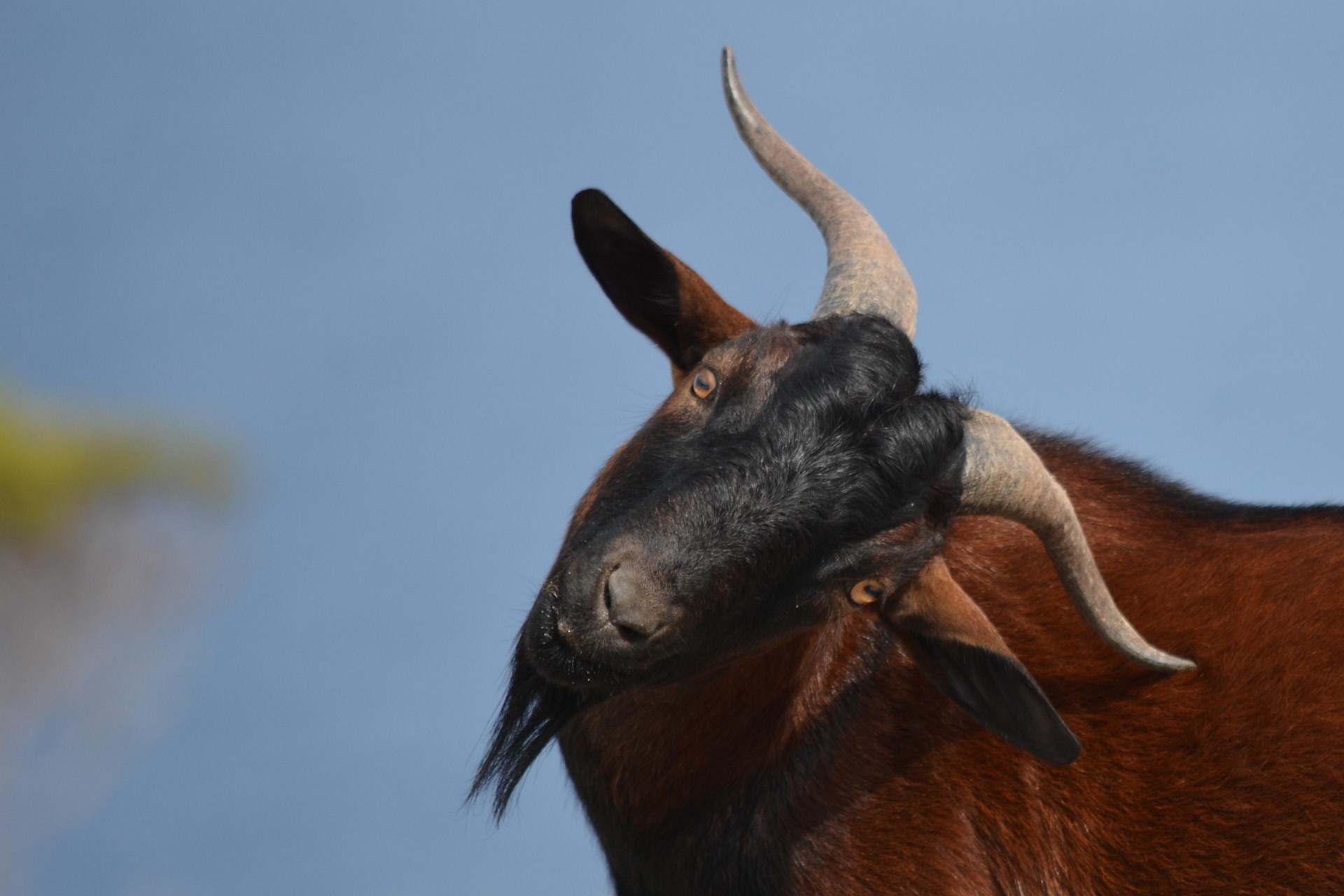
A morning in the old town — the Cathedral, the courtyards, the galleries — followed by lunch in Santa Catalina, is a standing recommendation. The Mercat de l'Olivar and the Sunday market at Santa Maria are where the island shops rather than performs.
Palma deserves more than a quick visit. Its historic centre is a fascinating mixture of Gothic architecture, elegant townhouses, hidden courtyards, independent boutiques, art galleries and excellent restaurants.
Start around the Cathedral and Parc de la Mar, then explore the streets of La Calatrava, Sant Jaume, La Lonja and the old town. The best discoveries are often found by wandering away from the busiest shopping streets.
- Culture and architecture
- - La Seu Cathedral: Mallorca's extraordinary Gothic cathedral overlooking the sea. Its architecture, interior and connection to the historic city make it one of the island's essential visits.
- - Palau de l'Almudaina: The historic royal palace beside the Cathedral, reflecting the island's layered history and architectural influences.
- - Castell de Bellver: A remarkable circular castle set on a hill above Palma. Visit for its architecture, museum and panoramic views over the city and bay.
- - Es Baluard Museu d'Art Contemporani: A contemporary art museum housed within Palma's historic defensive walls, with exhibitions and terraces overlooking the city.
- - Fundació Miró Mallorca: A cultural visit dedicated to Joan Miró, who lived and worked on the island. The studios and surrounding gardens offer a particularly interesting insight into his creative life.
- - La Lonja: A beautiful historic area of Palma, known for its architecture, galleries, restaurants and lively evening atmosphere.
- Markets and local life
- Mallorca's markets are an excellent way to discover everyday island life. They are not all the same: some focus on local produce, others on crafts, clothing, flowers or traditional agricultural goods.
- A few worth planning around include:
- - Mercat de l'Olivar, Palma: A permanent indoor market known for fresh fish, seafood, meat, fruit, vegetables and local delicacies. A wonderful place to browse and enjoy something to eat.
- - Mercat de Santa Catalina, Palma: A neighbourhood market surrounded by cafés, restaurants and independent shops.
- - Sineu, Wednesday: One of the island's best-known traditional markets, with produce, crafts, local products and its historic agricultural character.
- - Andratx, Wednesday: A traditional weekly market in the town centre, a lovely option when exploring the southwest.
- - Santa Maria del Camí, Sunday: A popular market with local produce and a lively village atmosphere.
- - Pollença, Sunday: A market in the historic town centre, ideal to combine with a coffee and a walk through its old streets.
- - Santanyí, Wednesday and Saturday: A particularly attractive market in the southeast, with stalls filling the town's central streets.
- Arrive earlier in the morning during the summer, when temperatures are more comfortable and the markets are at their liveliest.
- A different way to see the island
- The historic wooden Ferrocarril de Sóller is one of Mallorca's most memorable experiences. The train travels between Palma and Sóller through the countryside and mountain landscape, passing tunnels, orchards and beautiful scenery.
- Once in Sóller, take the historic tram towards Port de Sóller. It is a lovely way to combine the town, the harbour and a leisurely lunch beside the water.
- The railway operates on a seasonal timetable, so check the official schedule before planning your day. It is popular and worth booking ahead when possible.
Through the year
Mallorca is not simply a summer destination. Each season brings a different landscape, atmosphere and reason to visit.
- Winter - December to February
- - Almond blossom begins to appear across the countryside, particularly from late January into February, depending on the weather.
- - Walking routes are quieter and the cooler temperatures are ideal for exploring the Tramuntana.
- - Palma is more local, with cafés, galleries, museums and restaurants continuing beyond the summer season.
- - Experience the traditional Sant Antoni celebrations in January, particularly in villages where bonfires, music, demons and community gatherings form part of the festivities.
- - Discover the Three Kings celebrations in early January, when towns and villages welcome the arrival of the Three Kings with traditional parades.
- - Enjoy the island's quieter rural roads, traditional markets and countryside restaurants.
- Spring - March to May
- - The island becomes greener, with wildflowers and almond trees giving way to a wider variety of spring blossom.
- - It is an excellent season for cycling, hiking and scenic drives before the summer heat arrives.
- - Explore the Tramuntana villages, visit the gardens and historic estates, and enjoy long lunches outdoors.
- - The sea gradually warms, making late spring a lovely time for the first swims.
- - Visit the island's wineries and countryside estates as the landscape becomes more vibrant.
- - Easter brings traditional processions and religious celebrations in Palma and towns across the island.
- Summer - June to August
- - Start the day with an early swim before the beaches and coves become busy.
- - Arrange a private boat charter from Port d'Andratx, Puerto Portals, Port Adriano or Palma.
- - Explore the coastline by kayak, paddleboard or sailing boat.
- - Spend an afternoon at a beach club or enjoy a long lunch beside the marina.
- - Discover the evening atmosphere of Palma, Portals and Port d'Andratx.
- - Experience the Sant Joan celebrations around 23–24 June, with traditional festivities and bonfires in parts of the island.
- - Take advantage of outdoor concerts, summer cultural programmes and village fiestas.
- Autumn - September to November
- - The sea often remains pleasantly warm in September and into October, while the summer crowds begin to ease.
- - Visit vineyards during the grape harvest and discover local wines from Binissalem and Pla i Llevant.
- - Experience the Festa des Vermar in Binissalem, the town's traditional grape harvest celebrations, usually held in September.
- - Explore olive-growing estates as the olive harvest begins later in autumn.
- - Enjoy quieter beaches, restaurants and coastal walks.
- - Visit the countryside after the first autumn rains, when the landscape begins to change again.
- For a first visit, spring and early autumn are particularly rewarding. They offer a balance of pleasant weather, outdoor activities and a more relaxed atmosphere than the busiest weeks of summer
Beyond the obvious: more experiences worth discovering
Opening times, ferry and charter schedules, and access to some natural sites change from season to season, and popular restaurants and excursions are frequently reserved well ahead. Check details close to your visit in 2027 rather than relying on any published guide, including this one.
- There is much more to Mallorca than its coastline and villages. If you have extra time, or are returning to the island, these experiences are well worth considering.
- The caves of Mallorca
- The island's underground landscape is extraordinary. The best-known are the Cuevas del Drach near Porto Cristo, where a guided visit takes you through impressive chambers and the underground Lake Martel. The experience includes a classical music performance and the opportunity to cross the lake by boat, subject to the visit arrangements.
- The Cuevas dels Hams, also near Porto Cristo, offer another interesting cave experience, with distinctive formations and illuminated chambers.
- For something different, the Coves d'Artà on the northeast coast are set above the sea near Canyamel, with impressive natural chambers and views over the coastline.
- These visits are particularly useful on a hot summer day or when the weather is less suitable for outdoor activities. Book timed tickets in advance, especially during school holidays.
- Cycling and active experiences
- Mallorca is internationally recognised as a cycling destination, attracting road cyclists and recreational riders throughout the year.
- The Tramuntana offers challenging climbs, while the flatter central plains provide a different experience for those who prefer a gentler ride.
- Routes worth knowing include:
- - Cap de Formentor: A spectacular cycling destination in the north, known for its dramatic scenery and lighthouse. Check seasonal traffic restrictions and access arrangements before travelling.
- - Sa Calobra: A famous climb with a series of hairpin bends, best suited to experienced cyclists.
- - Coll de Sóller: A classic mountain road connecting Sóller with the interior.
- - Peguera to Valldemossa: A beautiful route through the western side of the island, with mountain scenery and coastal viewpoints.
- - The central plains: Around Santa Maria, Algaida, Sineu and Petra, quieter country roads offer a more relaxed cycling experience.
- Other outdoor options include horse riding, tennis, golf, climbing, guided mountain walks and water sports. Choose reputable operators and check conditions, especially during the hottest months.
- Wine and olive oil experiences
- Mallorca's agricultural heritage is still very much alive. A visit to a vineyard or olive estate offers a different perspective on the island, particularly if you are interested in its local produce and traditions.
- The Binissalem and Pla i Llevant wine regions are good places to begin. Look for tastings that introduce native grape varieties such as Manto Negro, Callet and Prensal Blanc.
- Olive estates around the Tramuntana also offer an insight into traditional cultivation, harvesting and olive oil production. Some properties arrange tastings and visits by appointment.
- Golf and wellness
- For those who enjoy a more leisurely activity, Mallorca has a selection of golf courses, particularly around the southwest and Palma. Several are set in beautiful landscapes and offer restaurants, club facilities and views across the island.
- The island is also home to excellent wellness retreats and hotel spas. A spa day, yoga session or private wellness experience can be a lovely way to spend a quieter day, particularly outside the peak summer season. Non-resident access varies by property and should always be confirmed in advance.
- Discovering the island by car
- One of the simplest pleasures in Mallorca is taking a scenic drive without trying to fit too much into the day.
- Some routes worth exploring include:
- - Andratx to Valldemossa: A beautiful drive through the southwest and along the Tramuntana coast.
- - Sóller to Sa Calobra: A spectacular mountain road with dramatic scenery and impressive engineering.
- - Alcúdia to Cap de Formentor: A journey through the north of the island, with coastal viewpoints and striking landscapes.
- - Santanyí to Cala Figuera: A quieter drive through the southeast, combining traditional villages and beautiful coastal scenery.
- - Inca to Caimari and Lluc: A route through the interior and into the mountain landscape, with traditional villages and countryside along the way.
- Allow time for stops, especially at viewpoints and villages. Some roads become busy during the summer, and parking near popular natural sites can be limited.
A note on planning
Opening times, ferry and charter schedules, and access to some natural sites change from season to season, and popular restaurants and excursions are frequently reserved well ahead. Check details close to your visit in 2027 rather than relying on any published guide, including this one.
A few additional considerations will help you make the most of your stay:
- Book important experiences early: Private charters, popular restaurants, guided walks and special excursions can be in high demand during the summer.
- Check natural park restrictions: Sa Dragonera and Cabrera have specific visitor and navigation rules. Respect protected areas and never assume that a beach or anchorage is unrestricted.
- Plan mountain walks carefully: Check the weather, route conditions, access and transport arrangements before setting out.
- Consider the season: Some attractions and restaurants operate reduced hours or close during the winter.
- Avoid the midday heat: In July and August, plan outdoor activities for early morning or later afternoon.
Leave room for spontaneity: Some of the island's best moments happen when you stop for a village coffee, follow a coastal road or discover a small local market.
Discover Mallorca with us
Mallorca is an island that becomes more interesting the more you get to know it. The right connections can open the door to experiences, places and opportunities that you might otherwise overlook.
At ELIZABETH SILES - The Mallorca Collection, we bring together local knowledge, trusted relationships and a personal approach to property and lifestyle in Mallorca.
Whether you would like help arranging a private boat charter, discovering a special restaurant, planning a celebration, finding a private villa or exploring the island beyond the usual itinerary, we would be delighted to help.
And perhaps Mallorca is becoming more than a destination for you. If you are considering buying a property, we can help you discover the areas, understand the lifestyle each offers and find a home that feels right. If you are thinking of selling, we would welcome a conversation about your property, its market positioning and how to introduce it to the right audience.
Whether you are discovering Mallorca for the first time, returning for another season or preparing to make the island your home, we'd love to hear from you.
Get in touch for a private, personal conversation.
Continue reading
Lifestyle
Dining in Mallorca in 2027
A considered guide to dining in Mallorca in 2027, from harbour-side restaurants and Palma's contemporary kitchens to mountain village tables, traditional cellers and private dining experiences.
Lifestyle
Luxury Experiences in Mallorca
Discover Mallorca at its most exceptional: private sailing, secluded countryside retreats, vineyard tastings, mountain escapes and carefully chosen cultural experiences.
Lifestyle
Five-Star Hotels in Mallorca in 2027
A considered guide to Mallorca’s five-star hotels in 2027, exploring Palma’s historic townhouses, coastal resorts, country estates and mountain retreats and how to choose the right base for your stay.