
Property
Buying Property in Mallorca
The Spanish purchase process is orderly and well established. Knowing its sequence in advance removes almost all of the uncertainty international buyers feel at the outset.
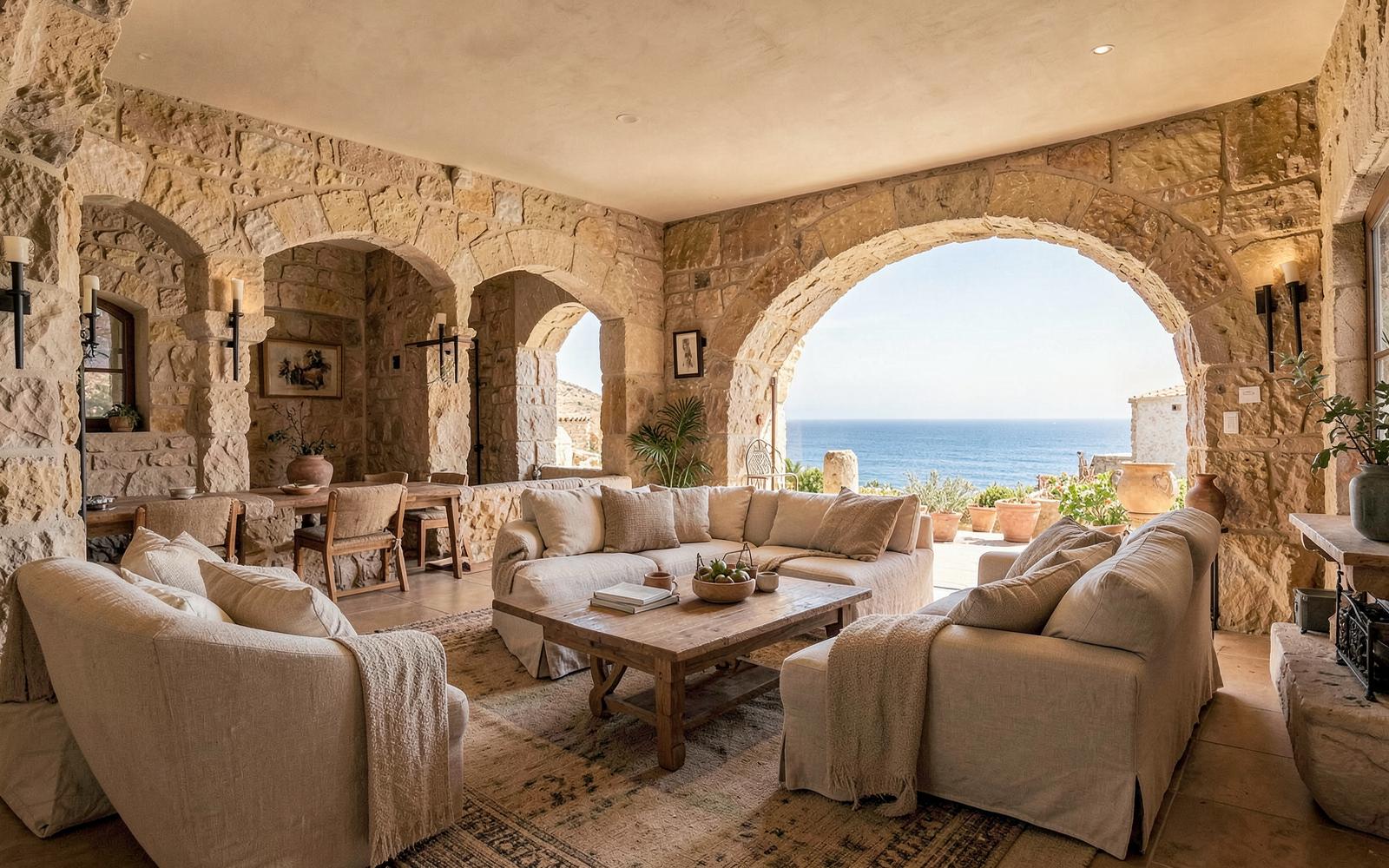
What follows is an outline of the stages a purchase typically moves through in Mallorca. It is a general guide rather than legal or tax advice: your own lawyer and tax adviser should confirm how each stage applies to your circumstances, your residency status and the specific property.
Assemble your team before you fall in love with a house
An independent Spanish lawyer, acting only for you, is the single most valuable appointment you will make. Alongside them, a tax adviser familiar with cross-border ownership, and — where finance is involved — a mortgage broker experienced with non-resident lending.
Having these people in place before you view means that when the right house appears, you can move without improvising.
The sequence of a purchase
- NIE — the Spanish foreigner identification number, required by anyone buying property. Your lawyer can obtain it, often by power of attorney.
- Spanish bank account — used for the purchase funds, taxes and subsequently for utilities and community charges.
- Reservation — a modest deposit takes the property off the market for an agreed period while checks begin.
- Due diligence — your lawyer examines title at the Land Registry, checks charges and debts, confirms planning and licence status, and reviews community rules where relevant.
- Private purchase contract (contrato de arras) — signed once due diligence is satisfactory, with a deposit and an agreed completion date. Withdrawal at this stage carries consequences on both sides.
- Completion before a notary — the public deed (escritura) is signed, the balance is paid, keys are handed over, and the deed is then registered at the Land Registry.
Costs to budget for beyond the price
Purchase costs in Spain include transfer tax or VAT depending on whether the property is a resale or a new build, notary and Land Registry fees, and your lawyer's fee. Rates vary by property type and by value band, and they change from time to time — so rather than working to a figure quoted in an article, ask your lawyer or tax adviser for a written estimate specific to the property you are buying, before you commit.
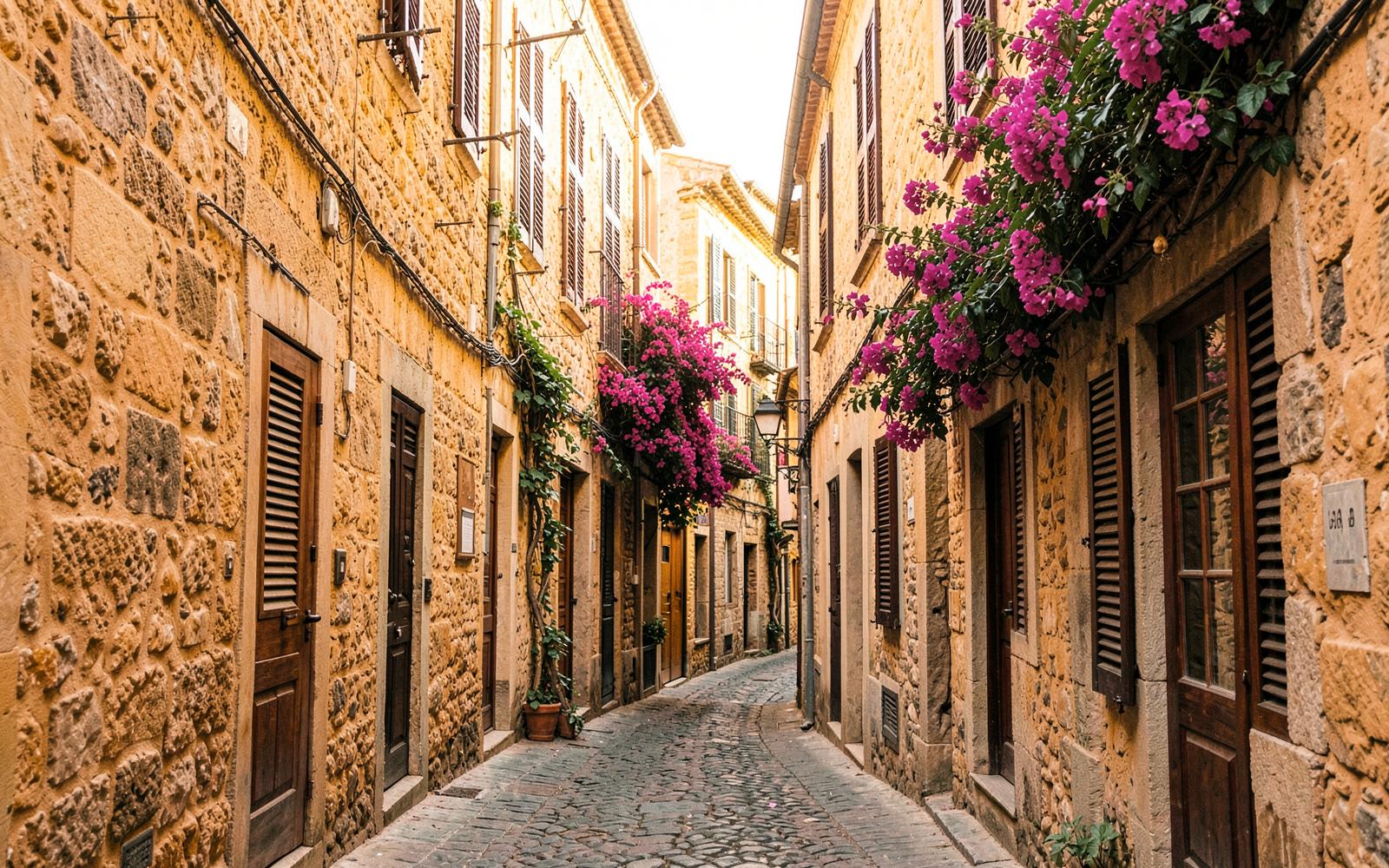
Checks that matter particularly in Mallorca
- Whether extensions, pool houses or terraces were built with licences and are correctly registered.
- For rural properties: access rights, water supply and boundaries, which are not always as recorded.
- For coastal properties: the position of the property in relation to the public maritime domain.
- Whether the home holds a tourist rental licence, if letting is part of your plan — licences are restricted and cannot be assumed.
- Community statutes for apartments and gated developments, including charges and any planned works.
After completion
Utilities and community charges are transferred into your name, and ongoing obligations — local property tax, non-resident income tax where applicable, and insurance — begin. Many owners also arrange key-holding and property management from the outset, particularly where the house will be empty for part of the year.
Continue reading
Property
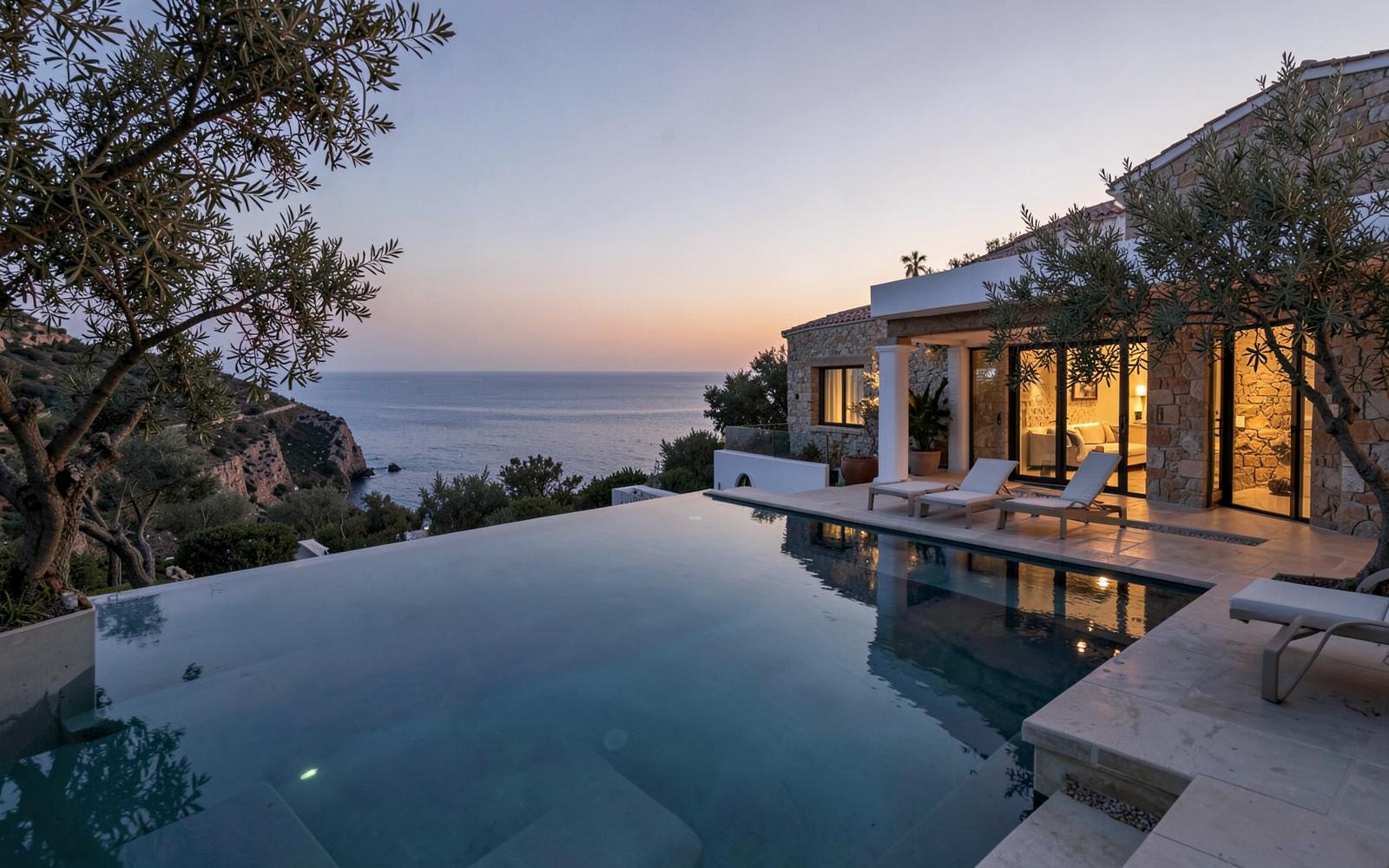
Buying Property in Mallorca in 2027
A year-by-year companion to the buying guide — focused less on the legal sequence, which changes little, and more on how to approach a search in 2027 with clarity.
Areas
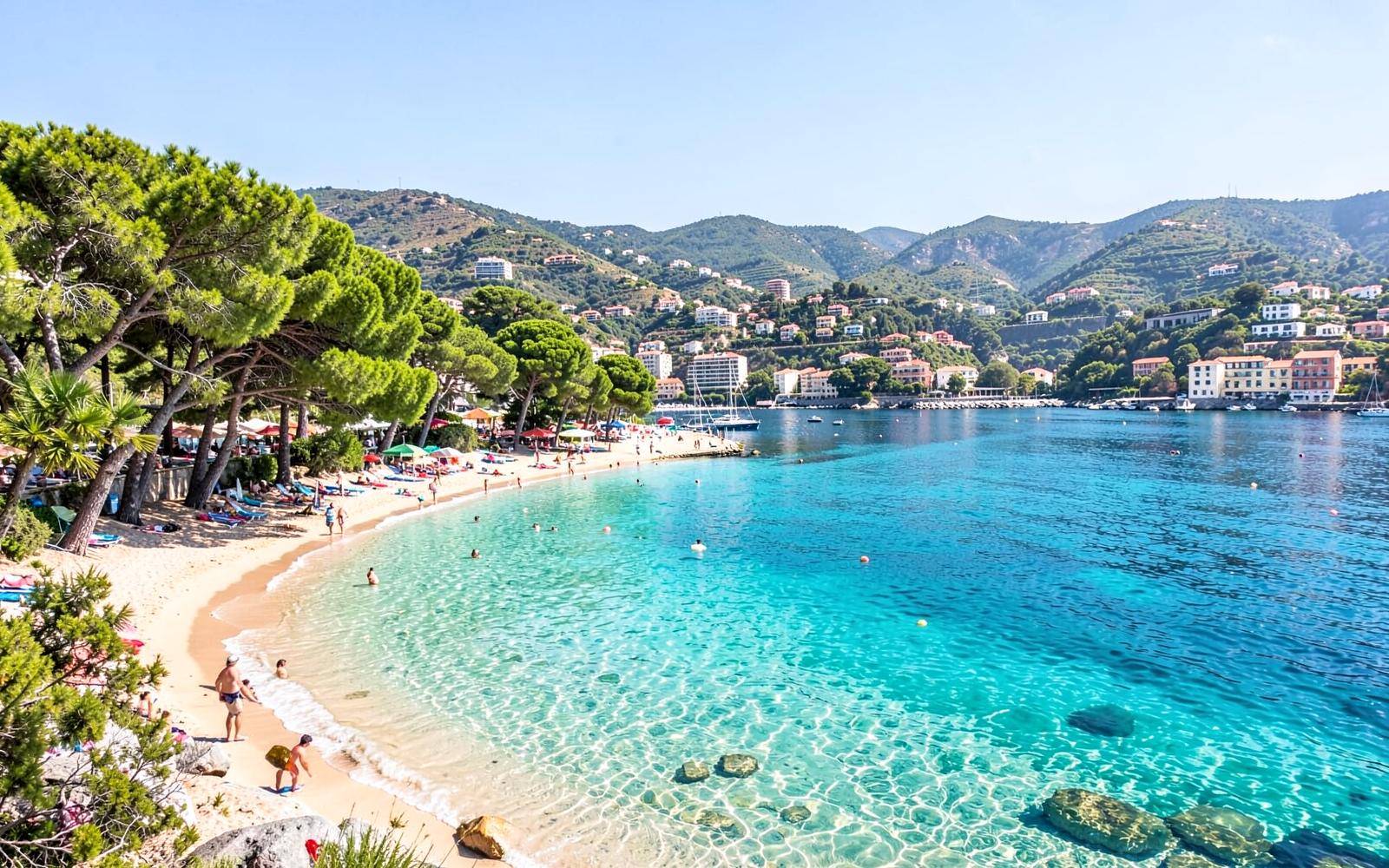
The Best Areas to Buy Property in Mallorca
There is no single best place to buy in Mallorca. There is only the area that matches how you intend to live here, and the honest differences between them.
Property
Luxury Real Estate in Mallorca
Mallorca's prime market is not a single market. It is a collection of very different coastlines, villages and valleys, each with its own character — and each attracting a quite different kind of buyer.