Lifestyle
Living in Mallorca Year-Round: What Life Is Really Like
Beyond the summer season: discovering the communities, lifestyle, schools and practicalities of making Mallorca home throughout the year.
Mallorca is often imagined through its summer months: turquoise water, long lunches by the sea, busy beach clubs and warm Mediterranean evenings. But for those who choose to live here throughout the year, the island reveals a rather different side. Beyond the holiday season, Mallorca is a place of established communities, traditional markets, international schools, year-round businesses and a lifestyle shaped by both its Mediterranean character and its international population. Living here permanently is not simply an extended holiday. It means understanding the different regions, adapting to the quieter winter months, navigating everyday services and finding the right balance between island life and practical convenience. For anyone considering a move, the question is not only where to find the most beautiful property, but where everyday life will feel right.
Mallorca Is More Than a Summer Destination
Mallorca has a substantial permanent population, and its communities are far more international than many first-time visitors might expect.
The island's population reached approximately 971,068 residents in 2025, representing growth of around 1.4% compared with the previous year. Around 21.2% of residents held foreign nationality, while approximately 28.4% had been born outside Spain.
These figures help explain why Mallorca has developed into a genuine international residential destination rather than simply a seasonal holiday location.
Its communities bring together Spanish and Mallorcan families, long-established European residents, people relocating for work, entrepreneurs, retirees and families seeking a different pace of life.
The island's international character is particularly visible around Palma and the south-west, although international residents can be found in villages and towns across Mallorca.
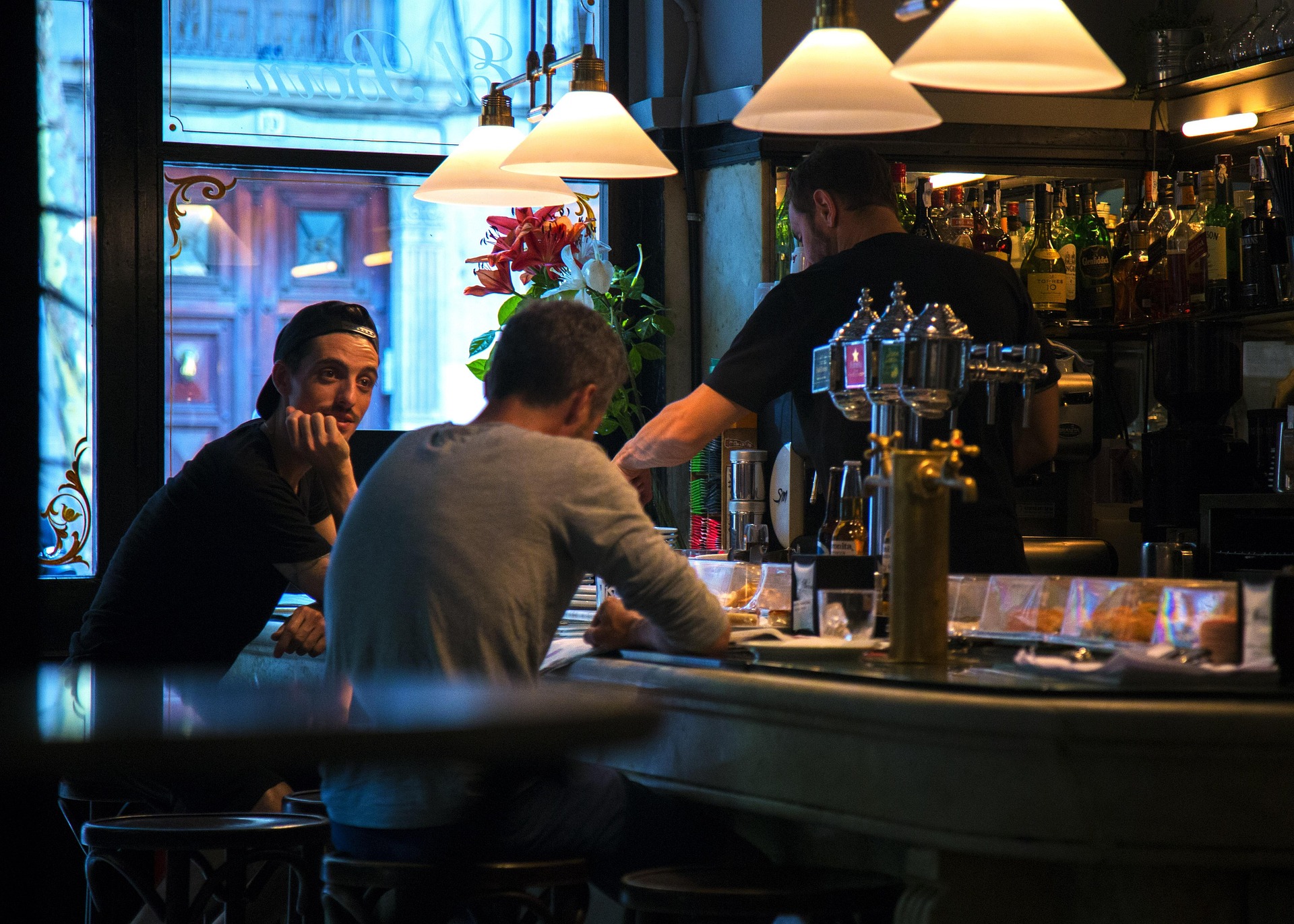
There is also an important distinction between living on the island and visiting it. Residents experience the everyday rhythm: school runs, local festivals, weekly markets, quieter coastal walks, changing opening hours and the familiar faces that gradually become part of daily life.
For many, this is precisely what makes Mallorca special. The island offers an international outlook while retaining a strong local identity, with traditions, language and community life that remain part of its character.
The Island Through the Seasons: What Changes After Summer?
One of the biggest misconceptions about Mallorca is that the island closes when summer ends.
While some resort areas become considerably quieter, Palma and many residential towns continue operating throughout the year. Restaurants, cafés, shops, schools, sports clubs and local businesses serve permanent residents well beyond the summer season.
The difference between Mallorca and some of its neighbouring islands is also worth noting. According to the 2025 seasonality indicators published by the Consell Econòmic i Social de les Illes Balears, Mallorca's seasonality measure was 26.8%, compared with 48.5% for Menorca, 78.6% for Ibiza and 153.8% for Formentera.
This does not mean that every part of Mallorca remains equally busy. Rather, it illustrates that Mallorca has a more substantial year-round economy and residential life than many people associate with a Mediterranean island.
- Spring
Spring is one of the most appealing periods to experience Mallorca. Temperatures become milder, countryside landscapes turn green, outdoor cafés become lively again and the island begins preparing for the summer season.
It is an excellent time for walking, cycling, exploring villages and enjoying the coastline before the busiest months arrive.
- Summer
Summer brings the island's most energetic atmosphere. Beach clubs, marinas, restaurants and coastal resorts are at their busiest, while international visitors and seasonal residents arrive in large numbers.
For permanent residents, this is also the time to plan ahead: popular restaurants require reservations, roads can become busier and some coastal areas experience significant increases in visitors.
- Autumn
September and October are particularly attractive for those who enjoy warm weather without the intensity of peak summer. The sea remains inviting, outdoor dining continues and the island gradually returns to a more relaxed rhythm.
It is also a wonderful time to explore inland Mallorca, vineyards, traditional villages and the countryside.
- Winter
Winter offers a different experience altogether. Palma remains active, local communities become more visible and the island's countryside takes on a quieter, more traditional character.
Some seasonal restaurants and beach businesses close or reduce their opening hours, particularly in resort areas. However, residents can still enjoy walking, cycling, local markets, cultural events and outdoor living on many days.
The island is not without its quieter moments, and anyone relocating should experience Mallorca in winter before deciding where to settle.
Where to Live: Finding the Right Part of Mallorca
Choosing an area is one of the most personal parts of relocating. Two properties may offer similar views and features, yet provide completely different everyday lifestyles depending on their location.
Mallorca is diverse enough to suit a range of preferences, from cosmopolitan city living to traditional villages and peaceful coastal communities.
- Palma
Palma is the island's most practical choice for those who want a city lifestyle with the Mediterranean on their doorstep.
It offers a wide range of restaurants, independent shops, cultural venues, healthcare facilities, schools, public transport and year-round services.
Neighbourhoods such as Santa Catalina, La Lonja, El Terreno, Son Vida and the Old Town each have their own character.
For families and professionals who prefer not to depend entirely on a car, Palma can be a particularly convenient base.
- The South-West: Calvià, Portals, Bendinat and Santa Ponsa
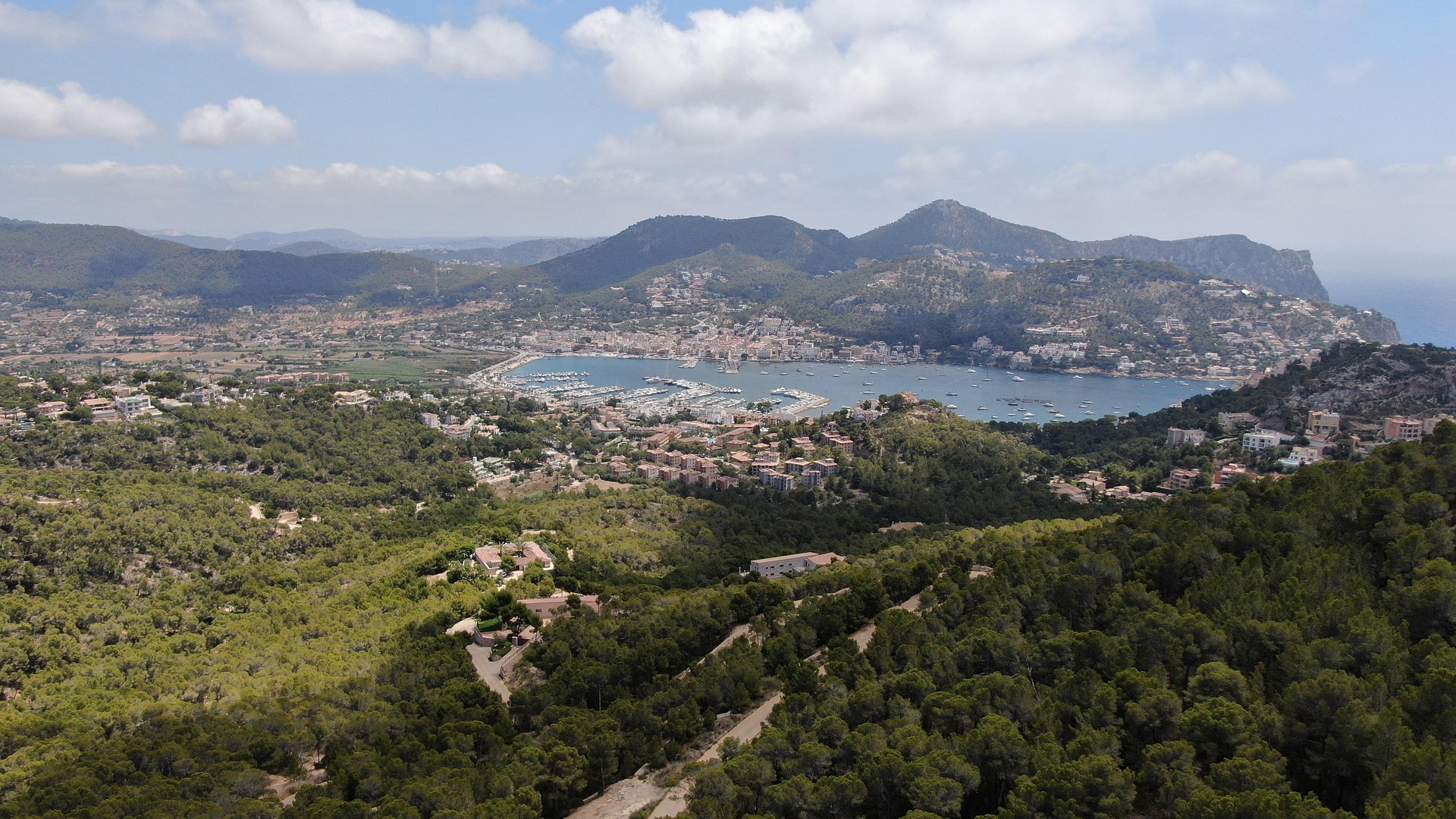
The south-west is popular with international residents and offers a mixture of coastal living, established residential communities, marinas, golf courses and international schools.
Areas such as Portals Nous, Bendinat, Costa d'en Blanes, Illetes, Santa Ponsa, Nova Santa Ponsa and Port Adriano attract a broad international community.
The area is particularly appealing to families and people who want access to Palma while enjoying a more residential or coastal setting.
- The Serra de Tramuntana
For those drawn to Mallorca's traditional character and natural beauty, the Tramuntana mountain range offers a very different lifestyle.
- Valldemossa, Deià, Sóller, Fornalutx and the surrounding villages are known for their stone architecture, mountain scenery and slower pace of life.
These locations are particularly attractive to people who value privacy, nature, walking and a strong sense of place.
However, the mountain setting can mean narrower roads, longer journeys and fewer everyday services than in Palma or the south-west.
- The North and North-East
Pollença, Alcúdia, Port de Pollença and surrounding areas offer a combination of historic towns, beaches, countryside and outdoor activities.
The north can be particularly appealing to families and those who enjoy a quieter residential environment with access to nature and the coastline.
- The South-East and Inland Mallorca
Santanyí, Ses Salines, Campos, Alaró, Binissalem and other inland communities offer a more traditional island atmosphere.
Some areas are known for their weekly markets, rural properties, local restaurants and strong community identity.
For buyers looking beyond the established coastal locations, these parts of Mallorca can offer a very different perspective on island life.
Ultimately, the right location depends on how someone wants to spend an ordinary Tuesday, not just how they imagine spending a summer weekend.
Getting Around: Transport, Connectivity and Everyday Convenience
Although Mallorca is relatively compact, transport is an important consideration when choosing where to live.
The island's main international gateway is Palma de Mallorca Airport, which handled 33,806,427 passengers in 2025, including approximately 24.8 million international passengers.
This level of connectivity is one of Mallorca's major advantages for international residents, particularly those who travel regularly for work or maintain family and business connections abroad.
The airport offers extensive European connections, with Germany and the United Kingdom among its most important international markets.
- Driving
For many residents, having a car is the most convenient way to explore and move around the island.
Driving is particularly useful for those living in rural areas, mountain villages or smaller coastal communities where public transport may be less frequent.
Journey times can vary significantly depending on the season, time of day and destination. A property that looks close to Palma on a map may involve a longer commute during peak traffic.
- Public Transport
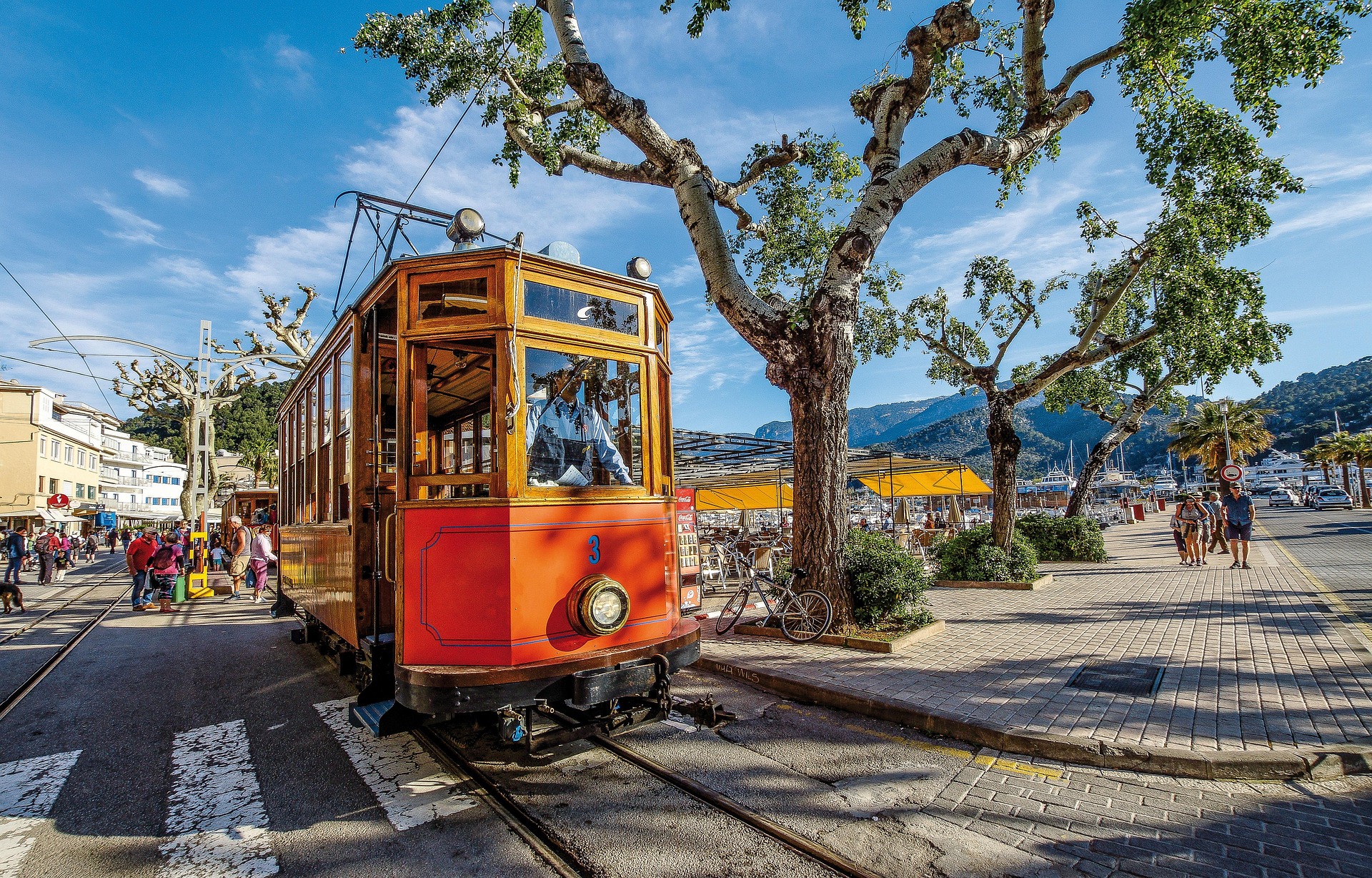
- Mallorca has a public transport network consisting of several services:
- - EMT operates urban buses within Palma.
- - TIB operates interurban bus services connecting towns and villages across the island.
- - Serveis Ferroviaris de Mallorca (SFM) operates train services linking Palma with towns including Inca, Sa Pobla and Manacor.
- - Palma also has a metro service.
- Public transport can be a practical option for residents living close to established routes, particularly around Palma and the central towns.
- The network recorded 41.3 million journeys across the TIB bus, train and metro services during 2025, an increase of 5% compared with the previous year.
- - International Connectivity
- For an island, Mallorca has remarkably strong international connections. This is particularly important for residents who work internationally, travel frequently or have family in other countries.
- However, flight availability is seasonal on some routes, so anyone who travels regularly should check the direct connections available from Palma during the winter months as well as summer.
Family Life in Mallorca: Healthcare, Education and International Schools
For families considering a permanent move, the practical side of life is just as important as the lifestyle itself.
Healthcare, schools, childcare, extracurricular activities and access to everyday services can all influence where a family decides to settle.
Healthcare
Mallorca has both public and private healthcare provision.
The public healthcare system is organised into health sectors, with major hospitals serving different parts of the island. These include:
- Hospital Universitari Son Espases, serving the Ponent area.
- Hospital Universitari Son Llàtzer, serving the Migjorn area.
- Hospital Comarcal d'Inca, serving the Tramuntana area.
- Hospital de Manacor, serving the Llevant area.
- Palma also has private hospitals, clinics, specialists and medical centres.
Anyone relocating should check their eligibility for public healthcare, registration requirements and private health insurance arrangements before moving. Access and entitlements depend on individual circumstances.
International Schools in Mallorca
For international families, choosing a school is often one of the most important decisions when relocating and it can have a direct influence on where they choose to live.
Mallorca offers a varied selection of educational pathways, including British, Spanish, German, French, Swedish and International Baccalaureate education, alongside alternative educational approaches.
Many schools are concentrated around Palma and the south-west, particularly in the municipality of Calvià. There are also options in central Mallorca, the north and the east of the island.
Below is a guide to the principal international and foreign-curriculum schools and some alternative international education options.
South-West Mallorca and Greater Palma
* Agora Portals International School, Portals Nous, Calvià
One of Mallorca's best-known international schools, Agora Portals offers an international education with a strong multilingual approach.
- Curriculum: International Baccalaureate, including the Primary Years Programme, Middle Years Programme and Diploma Programme, alongside Spanish national education.
- Age range: Early years through to 18.
- Languages: English and Spanish, with additional language learning.
- Location: Portals Nous.
Convenient for families living in Portals Nous, Bendinat, Costa d'en Blanes, Illetes and Palma's south-western neighbourhoods.
Agora is particularly notable as the first and currently only IB Continuum school in the Balearic Islands, authorised to offer all three IB programmes.
* King Richard III College, Portals Nous
An established British international school in the Portals Nous area, with a multicultural student community.
- Curriculum: English National Curriculum, leading to IGCSE and A-Level qualifications, alongside Spanish ESO and Bachillerato.
- Age range: 3 - 18.
- Languages: English and Spanish, with additional language learning.
- Location: Portals Nous, Calvià.
Convenient for Portals, Bendinat, Costa d'en Blanes, Illetes and the wider south-west.
* Baleares International College, Sa Porrassa, Calvià
Baleares International College offers a British education across two Mallorca campuses.
- Curriculum: British National Curriculum, IGCSE and A-Level pathways.
- Age range: 3–18 across the school group.
- Language of instruction: English, with Spanish and other languages.
- Location: Sa Porrassa, near Santa Ponsa.
Convenient for families living in Santa Ponsa, Nova Santa Ponsa, Costa de la Calma, Palmanova and surrounding areas.
* Baleares International College, Sant Agustí, Palma
The school's second campus is located in Sant Agustí, west of Palma.
- Curriculum: British education.
- Age range: Primarily early years and primary education.
- Language of instruction: English, with additional language learning.
- Location: Sant Agustí, Palma.
Practical for families living in Cala Major, San Agustí, Cas Català, Illetes and western Palma.
* Bellver International College, Palma
Founded in 1950, Bellver is one of Spain's longest-established British international schools.
- Curriculum: British education, including Cambridge Primary, IGCSE and A-Level pathways.
- Age range: 5 - 18.
- Language of instruction: English, with Spanish, Catalan and other languages included in the curriculum.
- Location: Ponent area of Palma, close to Marivent and Cala Major.
Convenient for families living in Palma, Cala Major, San Agustí and the south-west.
* Queen's College, Palma
An independent British international school offering an English-language educational pathway.
- Curriculum: British education, with GCSE/IGCSE and A-Level pathways. Families should confirm the current examination and senior-school options directly with the school.
- Age range: School provision from early years through secondary and pre-university stages; confirm current year groups.
- Language: English, with Spanish and additional language learning.
- Location: Palma.
Worth considering for families who want an established British educational environment in the capital.
* Green Valley International School, Sa Vileta, Palma
Green Valley offers an international and bilingual educational environment.
- Curriculum: International and British-influenced education, with senior-school pathways to be confirmed directly.
- Age range: Early years through school-age provision; confirm current year groups.
- Languages: English and Spanish.
- Location: Sa Vileta, Palma.
Convenient for families living in Palma, Son Vida and surrounding residential areas.
* Escola Global International School, Palma
Escola Global offers a bilingual and international educational approach.
- Curriculum: British and Spanish educational pathways.
- Age range: Early years through secondary provision; confirm the current upper age limit.
- Languages: English and Spanish, with additional language learning.
- Location: Palma.
An option for families seeking an international education within the capital.
* Lycée Français International de Palma, Palma
For French-speaking families, the Lycée Français provides continuity with the French national education system.
- Curriculum: French national curriculum.
- Age range: Early years through secondary education.
- Languages: French, Spanish and other language learning.
- Location: Palma.
Suitable for families wishing to maintain a French educational pathway or considering future studies in France.
* Colegio Sueco / Svenska Skolan Mallorca, Palma
The Swedish School offers a Swedish educational environment for families wishing to maintain their children's connection with Swedish language and education.
- Curriculum: Swedish educational pathway.
- Language: Swedish.
- Location: Palma.
Families should contact the school directly to confirm current year groups and educational provision.
* Deutsche Schule Mallorca, Eurocampus, s'Arenal
Eurocampus provides a German-language educational pathway for families seeking continuity with the German education system.
- Curriculum: German educational system.
- Language: German, with additional language teaching.
- Location: s'Arenal, Palma.
Particularly relevant for German-speaking families or those planning future education in Germany.
* The Academy International School, Marratxí
The Academy is an English-language international school located outside central Palma.
- Curriculum: British education, including IGCSE and senior-school pathways.
- Age range: Early years through secondary and sixth-form provision.
- Language: English, with additional language learning.
- Location: Marratxí, in the Es Pla de na Tesa area.
Worth considering for families living in Marratxí, Palma and central Mallorca.
Schools in the North, Centre and East of Mallorca
* Mallorca International School, Crestatx, near Sa Pobla
Situated in the north of Mallorca, Mallorca International School offers a British educational pathway.
- Curriculum: British curriculum, with examination pathways including Edexcel.
- Age range: Early years through secondary education; confirm current year groups.
- Language: English, with Spanish, Catalan and other languages included.
- Location: Crestatx, near Sa Pobla.
Convenient for families living in Sa Pobla, Pollença, Alcúdia, Campanet and the north of the island.
* The Montessori School of Mallorca, Santa Maria del Camí
For families interested in a more individualised approach to education, the Montessori School of Mallorca offers an alternative to a traditional school environment.
- Educational approach: Montessori-inspired education, with British and Spanish educational elements.
- Age range: School-age provision; confirm current year groups.
- Languages: English and Spanish, with additional language learning.
- Location: Santa Maria del Camí.
Worth exploring for families living in central Mallorca and those seeking a child-centred educational environment.
* Escolasofia Waldorf School, Palma
Escolasofia follows the Waldorf educational philosophy, placing emphasis on creativity, practical learning and the development of the whole child.
- Educational approach: Waldorf.
- Location: Palma, in the Son Rossinyol area.
Families should confirm current age groups, language provision and educational stages directly.
* Rafa Nadal International School, Manacor
Located within the Rafa Nadal Academy campus, this school combines international education with access to an extensive sporting environment.
- Curriculum: International academic programme, with primary, middle and high school provision.
- Age range: From pre-nursery, including provision from age 2 for the 2026–2027 school year, through to high school.
- Languages: English and Spanish, with Mallorcan language studies.
- Location: Manacor.
Particularly interesting for families who value an international academic environment alongside sport and high-performance training facilities.
* Tudor Rose British College, Porto Cristo
Tudor Rose is a smaller British educational option on Mallorca's east coast.
- Curriculum: British/Cambridge educational pathway.
- Location: Porto Cristo.
A possible option for families living around Manacor and the eastern coastline.
Confirm current registration, age groups and examination pathways directly before applying.
Additional Educational Options
Families may also wish to investigate the following schools and educational centres, depending on the age of their children and preferred teaching approach:
- The Blossom International School, Marratxí: listed in the Balearic Government's foreign educational-centre directory. Confirm its current curriculum, age groups and admissions directly.
- Happy Faces International School, Palma: an international early-years and school option; confirm current provision and year groups.
- EDIB, Palma: an educational centre listed in the regional directory; check the current programmes and age groups to establish whether it fits your child's needs.
- Fundació Sa Llavor, Binissalem: an alternative educational environment with a holistic and multilingual approach; confirm its current educational stages and authorisation.
- Palma College, Palma: a specialist post-16 option for students considering further education and university preparation.
Choosing a School and the Right Area to Live
The location of a school can make a considerable difference to everyday family life, particularly during the morning and afternoon school runs.
For families considering the south-west, these areas are worth exploring:
- Santa Ponsa, Nova Santa Ponsa and Costa de la Calma: practical for Baleares International College in Sa Porrassa.
- Portals Nous, Bendinat and Costa d'en Blanes: well placed for Agora Portals and King Richard III College.
- Illetes, Cas Català and Cala Major: convenient for schools in western Palma and the south-west.
- Palma and Son Vida: offer access to several international schools in and around the capital.
- Marratxí and Santa Maria del Camí: worth considering for schools in central Mallorca.
- Pollença, Alcúdia and Sa Pobla: convenient for Mallorca International School in the north.
- Manacor and the east coast: relevant for families considering Rafa Nadal International School and other eastern options.
Before choosing a school, families should arrange a visit and confirm admissions availability, fees, registration requirements, transport, language support, examination pathways and the exact year groups offered for their child's age.
Fees and admissions policies can change. Additional costs may include registration, meals, transport, uniforms, learning materials and extracurricular activities.
It is also important to check how qualifications are recognised if a child may later move to another country or apply to a university abroad.
For families considering a move to Mallorca, the school search and property search are best approached together. The right home is not simply about views, bedrooms or proximity to the beach; it is also about creating a practical everyday lifestyle for the whole family.
Building a Life Here: Community, Culture and Finding Your Place
One of the most rewarding parts of living in Mallorca is becoming part of its communities.
The island has a strong local identity, shaped by its traditions, language, food, festivals and connection to the Mediterranean. Even in its most international areas, there is an opportunity to experience a more authentic side of Mallorca beyond the familiar holiday destinations.
Weekly markets, village fiestas, local restaurants, cycling clubs, walking groups, sailing communities and cultural events all provide opportunities to meet people and build connections.
- Language and Integration
Mallorca has two official languages: Spanish and Catalan. The local variety of Catalan is known as Mallorquí.
English and German are widely spoken in many international and tourism-oriented areas, but learning Spanish and becoming familiar with Mallorquí can make everyday life considerably easier and help residents feel more connected to the local community.
- Food and Local Traditions
Living in Mallorca means discovering more than its well-known restaurants and beach clubs.
Traditional markets, bakeries, family-run restaurants, local vineyards and seasonal produce all form part of the island's everyday culture.
From ensaimadas and sobrasada to fresh seafood, olive oil and local wines, food is an important part of the island's identity.
- An Active Outdoor Lifestyle
Mallorca's climate and landscape make it particularly attractive to people who enjoy spending time outdoors.
Residents can enjoy hiking in the Serra de Tramuntana, cycling through inland villages, swimming, sailing, golf, tennis and water sports.
The island's changing seasons also offer variety: spring and autumn are particularly popular for cycling and walking, while summer brings more opportunities for swimming and life by the sea.
- Finding the Right Balance
Living in Mallorca year-round is not without its challenges. Some areas become quiet during winter, certain services may require travelling to Palma, and the island's popularity can bring traffic and pressure on infrastructure during peak months.
However, for many residents, the advantages outweigh these practical considerations.
Mallorca offers a lifestyle that combines international connectivity with natural beauty, a strong sense of community and the opportunity to enjoy a slower, more outdoor-focused way of life.
The key is finding the right location, understanding the island beyond its summer image and choosing a home that supports the life you actually want to lead.
Thinking of Making Mallorca Home?
Whether you are considering relocating to Mallorca, searching for a family home close to international schools, looking for a coastal property or preparing to sell your existing residence, understanding the island is the first step towards making the right decision.
I would be delighted to discuss your requirements, help you explore suitable areas and talk through your property plans, whether you are looking to buy or sell.
For a private, no-obligation conversation, please get in touch at info@elizabethsiles.com.
Continue reading
Property
Buying Property in Mallorca
Thinking of buying a property in Mallorca? Understand the purchase process, the professionals you need, the costs to budget for and the essential checks to make before committing to your new home.
Market Insight
The Mallorca Property Market in 2027
Is Mallorca's property market still growing? Explore the latest published prices, foreign-buyer activity, construction figures and prime-market trends, with a closer look at what the data could mean for buyers and sellers in 2027.
Areas
The Best Areas to Buy Property in Mallorca
Considering buying property in Mallorca? Explore the island's most sought-after residential areas, from the southwest coast and Son Vida to Palma, the Tramuntana, the north and southeast — and discover which location could feel like home.